
Custom Push-Pull Cable Casing for Precision Control
Customized dimensions, reinforcement structures, liners, and coatings for automotive, aerospace, medical, and industrial control cable systems.
Push-Pull Outer Casing
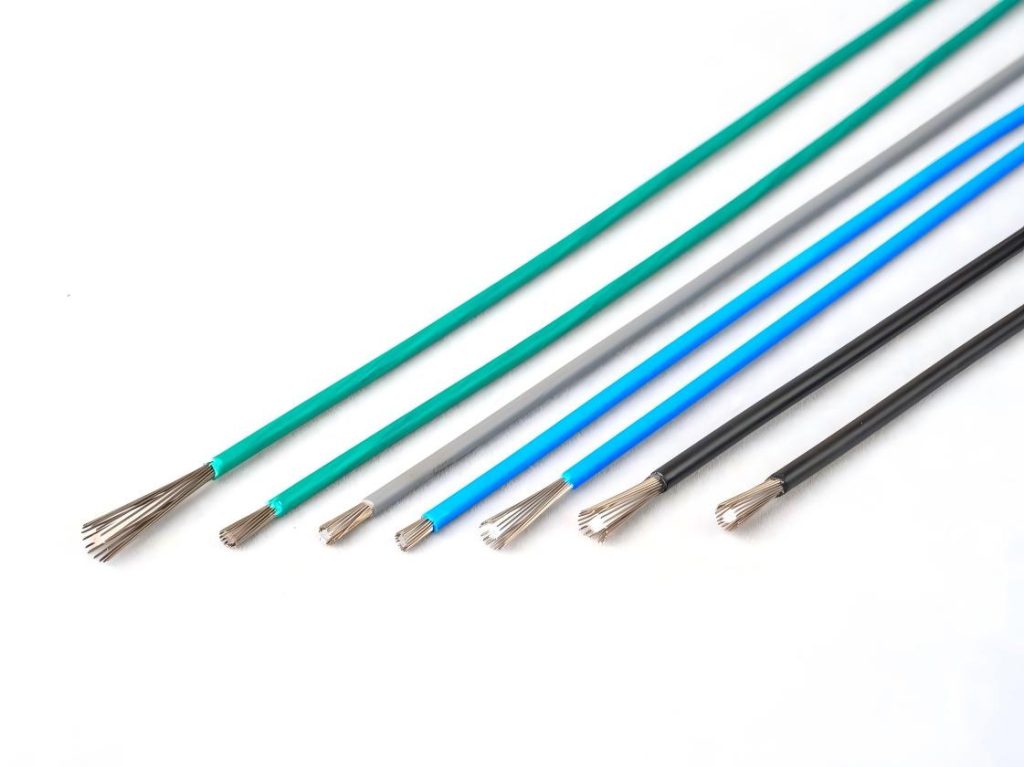
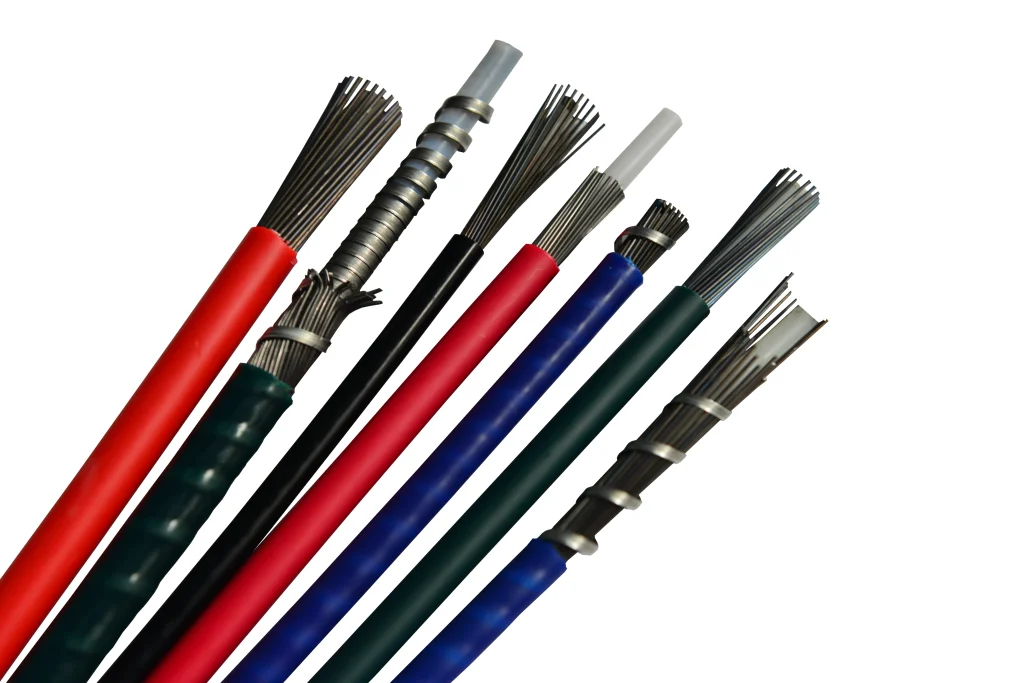
Keli supplies push-pull cable outer casings for mechanical control cable systems, with customizable dimensions, liner materials, steel-wire reinforcement, and outer coatings. Choose a construction based on your cable design, installation space, movement requirements, and operating environment.
From standard configurations to project-specific designs, we can evaluate your requirements using technical drawings, samples, or dimensional specifications.
What Is a Push-Pull Cable Outer Casing?
A push-pull cable outer casing forms the supporting conduit around the moving inner cable in a mechanical control system. It helps guide cable movement along the installation route while providing structural support and external protection.
The casing configuration should be selected according to the inner cable dimensions, routing geometry, required movement, installation space, and operating environment. Different liner, reinforcement, and coating options can be considered to meet project-specific requirements.
Push-Pull Cable Outer Casing Specifications and Material Options
| No. | OD(mm) | ID(mm) | Diameter of Steel Wire(mm) | Number of Steel Wires | Steel Wire Material | Number of Layers | Liner Material | Coating Material |
| 1 | Φ3.0 | 1.3-1.5 | 0.3-0.5 | 15-23 | Oil-quenching Card Wire | 3 | PE/POM/PTFE/PA/PBT | PVC/PP/PA6/PE/TPE/TPEE |
| 2 | Φ3.2 | 1.4-1.5 | 0.3-0.5 | 15-23 | Oil-quenching Card Wire | 3 | PE/POM/PTFE/PA/PBT | PVC/PP/PA6/PE/TPE/TPEE |
| 3 | Φ4.0 | 1.5-1.6 | 0.4-0.6 | 16-25 | Oil-quenching Card Wire | 3 | PE/POM/PTFE/PA/PBT | PVC/PP/PA6/PE/TPE/TPEE |
| 4 | Φ4.2 | 1.6-1.7 | 0.4-0.6 | 16-25 | Oil-quenching Card Wire | 3 | PE/POM/PTFE/PA/PBT | PVC/PP/PA6/PE/TPE/TPEE |
| 5 | Φ5.0 | 2.1-2.4 | 0.4-0.6 | 16-25 | Oil-quenching Card Wire | 3 | PE/POM/PTFE/PA/PBT | PVC/PP/PA6/PE/TPE/TPEE |
| 6 | Φ6.0 | 2.2-2.8 | 0.4-0.6 | 18-32 | Oil-quenching Card Wire | 3 | PE/POM/PTFE/PA/PBT | PVC/PP/PA6/PE/TPE/TPEE |
| 7 | Φ7.0 | 2.2-3.0 | 0.6-0.8 | 18-32 | Tempering oil-quenching card wire, copper-plated steel wire | 3-4 | PE/POM/PTFE/PA/PBT | PVC/PP/PA6/PE/TPE/TPEE |
| 8 | Φ8.0 | 2.5-3.5 | 0.6-0.8 | 18-32 | Tempering oil-quenching Card wire, copper-plated steel wire | 3-4 | PE/POM/PTFE/PA/PBT | PVC/PP/PA6/PE/TPE/TPEE |
| 9 | Φ9.0 | 3.0-4.0 | 0.8-1.2 | 18-32 | Tempering oil-quenching Card wire, copper-plated steel wire | 3-4 | PE/POM/PTFE/PA/PBT | PVC/PP/PA6/PE/TPE/TPEE |
| 10 | Φ10.0 | 3.0-5.0 | 0.8-1.2 | 18-32 | Tempering oil-quenching Card wire, copper-plated steel wire | 3-4 | PE/POM/PTFE/PA/PBT | PVC/PP/PA6/PE/TPE/TPEE |
| 11 | Φ11.0 | 3.5-6.0 | 0.8-1.2 | 18-32 | Tempering oil-quenching Card wire, copper-plated steel wire | 3-5 | PE/POM/PTFE/PA/PBT | PVC/PP/PA6/PE/TPE/TPEE |
| 12 | Φ12.0 | 3.5-6.5 | 0.8-1.3 | 18-32 | Tempering oil-quenching Card wire, copper-plated steel wire | 3-5 | PE/POM/PTFE/PA/PBT | PVC/PP/PA6/PE/TPE/TPEE |
| 13 | Φ13.0 | 3.5-7.0 | 1.0-1.3 | 18-32 | Tempering oil-quenching Card wire, copper-plated steel wire | 3-6 | PE/POM/PTFE/PA/PBT | PVC/PP/PA6/PE/TPE/TPEE |
| 14 | Φ14.0 | 3.5-8.4 | 1.0-1.3 | 18-32 | Tempering oil-quenching Card wire, copper-plated steel wire | 3-6 | PE/POM/PTFE/PA/PBT | PVC/PP/PA6/PE/TPE/TPEE |
| 15 | Φ15.0 | 3.5-9.5 | 1.0-1.4 | 18-32 | Tempering oil-quenching Card wire, copper-plated steel wire | 3-6 | PE/POM/PTFE/PA/PBT | PVC/PP/PA6/PE/TPE/TPEE |
| 16 | Φ16.0 | 3.5-10.5 | 1.0-1.4 | 18-32 | Tempering oil-quenching Card wire, copper-plated steel wire | 3-6 | PE/POM/PTFE/PA/PBT | PVC/PP/PA6/PE/TPE/TPEE |
How to Choose Push-Pull Cable Outer Casing
Selecting a casing starts with the requirements of the complete control cable assembly. Use the following steps to prepare a suitable specification.
If some details are not yet finalized, provide the available dimensions and application information for an initial technical review.
Push-Pull Cable Outer Casing Structure
The casing construction can be understood through three main functional components. The exact configuration depends on the selected product specification.
Inner Liner
The inner liner provides the contact surface for the moving inner cable. Its material and dimensions should be selected according to cable compatibility, required movement, and wear considerations.
Steel-Wire Reinforcement
Spirally wound steel wires support the casing structure. Wire diameter, wire arrangement, and reinforcement layers are construction variables that should be evaluated against the required mechanical behavior and installation conditions.
Outer Coating
The outer coating forms the external protective surface. Material selection should consider the installation environment, flexibility requirements, and expected exposure to abrasion or other external factors.
For project evaluation, review these components together rather than selecting each layer independently. The liner, reinforcement, and coating must be compatible with the overall cable design.
Push-Pull Cable Outer Casing Liner & Coating Material Options
The liner and outer coating should be evaluated as part of the complete push-pull cable assembly. The most suitable material combination depends on the cable design and the conditions in which the casing will operate.
When comparing material options, consider the following factors:
- Cable movement: Check compatibility with the inner cable and the movement requirements of the assembly.
- Wear and contact conditions: Evaluate the expected contact, friction, and wear conditions.
- Environmental exposure: Consider the surrounding temperature, moisture, chemicals, and other relevant operating conditions.
- Dimensional requirements: Confirm that the selected construction can meet the required dimensions and tolerances.
- Installation requirements: Consider the routing path, available space, and required flexibility.
Material availability and compatibility may vary by casing size and construction. Provide the intended application and technical requirements so that the appropriate options can be reviewed.
Custom Push-Pull Cable Outer Casing
Custom Push-Pull Cable Outer Casing
For projects that require a non-standard casing configuration, Keli can review the requested dimensions, reinforcement construction, material options, and production requirements based on the available technical information.
To help us evaluate your project, please provide one or more of the following:
- A technical drawing with the required dimensions
- An existing casing sample
- Inner cable dimensions and installation requirements
- Preferred liner or coating materials, if already specified
- Expected operating conditions and intended application
After reviewing the available information, the required construction and manufacturing feasibility can be discussed with our team.
Need a custom configuration? Send us your drawing, sample, or specifications to start a technical review.
Push-Pull Cable Outer Casing Manufacturing Process
Our manufacturing process integrates material preparation, reinforcement, extrusion, and finished-product inspection to maintain consistent casing quality.
- Steel Wire Inspection: Checks the incoming reinforcement wire before production.
- Liner Tube Inspection: Verifies liner dimensions and surface condition.
- Spooling & Stranding: Prepares and spirally winds the steel wire around the liner according to the required construction.
- Plastic Coating: Extrudes the selected outer material over the reinforced casing.
- Coiling & Boxing: Controls product length and prepares the finished casing for shipment.
- Finished Product Inspection: Checks key dimensional and appearance requirements before delivery.
Steel Wire Inspection
Liner Tube Inspection
Raw Material (Pellet)
Inspection
Spooling
Stranding
Plastic Coating
Coiling & Boxing
Finished Product Inspection
Applications of Push-Pull Cable Outer Casing
Push-pull cable outer casings are used in mechanical control assemblies where the inner cable requires a defined route and supporting outer conduit. Suitability depends on the casing construction, complete cable design, and operating conditions.
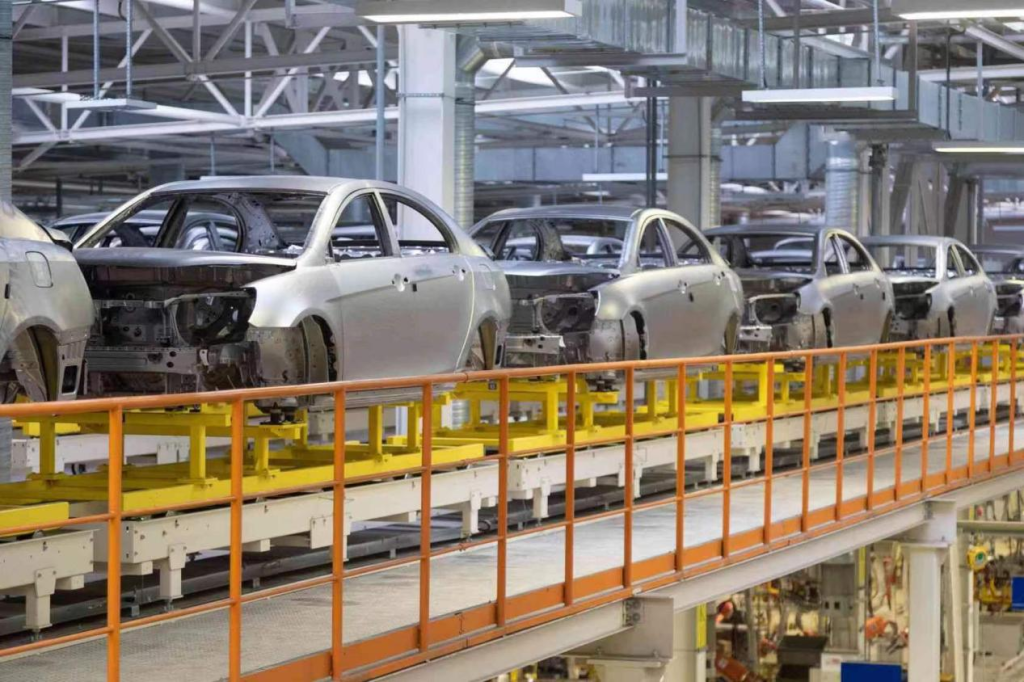
For selected mechanical control cable assemblies, evaluate the available installation space, routing path, required cable movement, and environmental exposure.
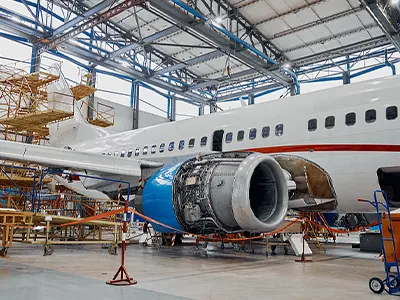
Aerospace-Related Applications
For aerospace-related projects, evaluate the specific technical requirements, environmental conditions, material restrictions, and applicable qualification requirements before selecting a casing configuration.

For applications in medical equipment, the complete cable assembly must be evaluated against the device design, dimensional requirements, cleanliness requirements where applicable, and any relevant regulatory or material restrictions.

For semiconductor manufacturing equipment, consider the available routing space, movement requirements, surrounding environment, and compatibility with the equipment design.