
High-Quality Custom Control Cable Components, Ready-to-Install Precision Solutions
Customized cables, protective sleeves, connectors and end fittings for global automotive and industrial applications.
Control Cable Components with Protective Sleeve & Connector
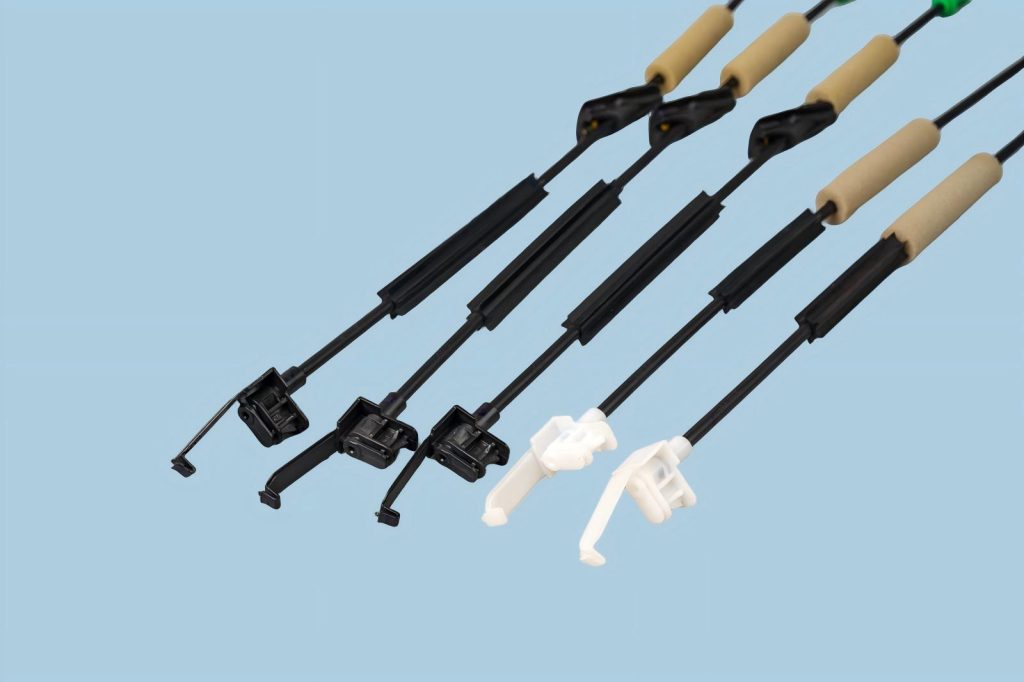
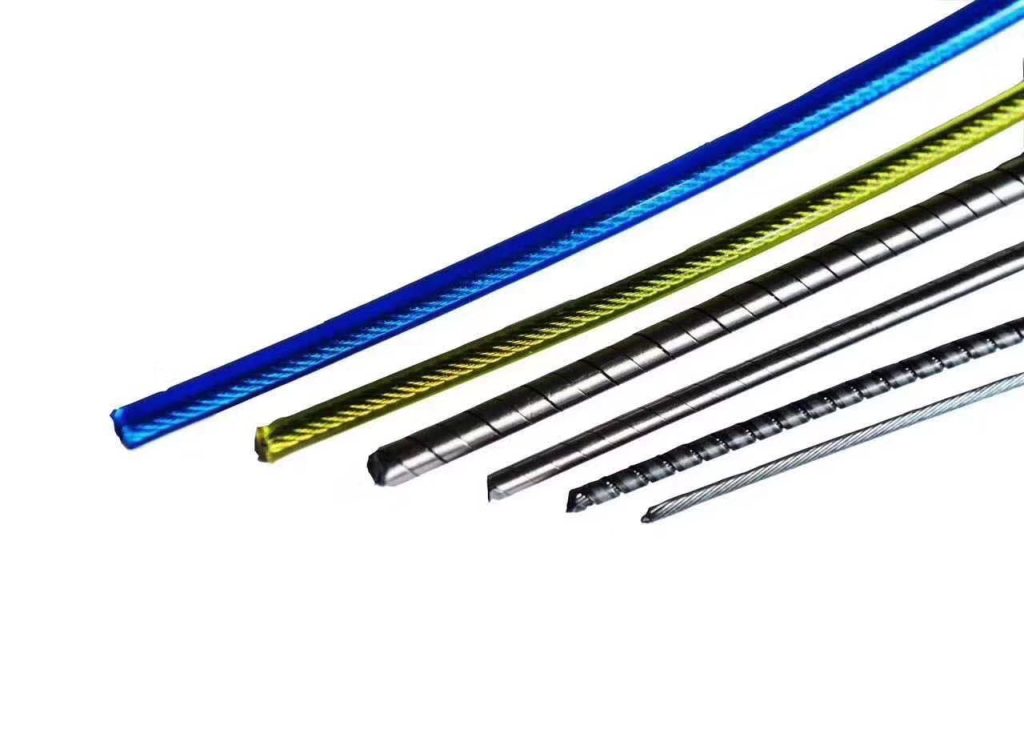
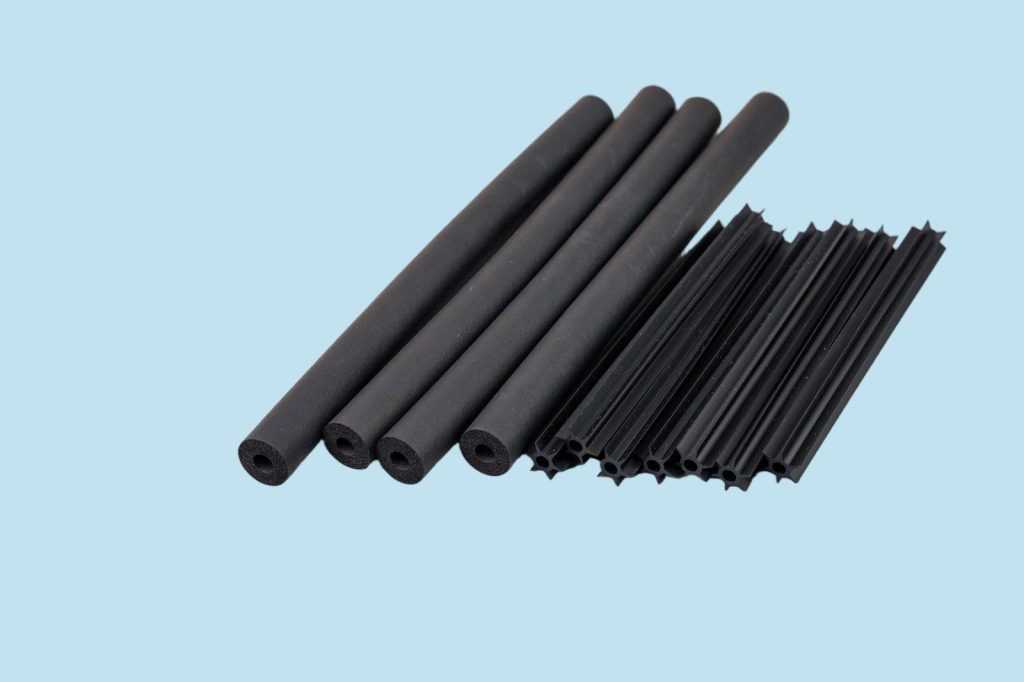
We provide customized control cable components designed for reliable mechanical force transmission and precise control in demanding applications. A complete component can integrate a high-strength inner cable, protective outer sleeve, connectors and application-specific end fittings into a ready-to-install solution.
Our control cable components are developed for applications where controlled cable movement, stable routing and long-term mechanical performance are important. Solutions can be customized according to cable length, sleeve construction, connector configuration, installation requirements and application conditions.
What Are the Components of a Control Cable?
A control cable component is a complete mechanical cable system used to transmit pulling or push-pull movement between two operating points. Unlike a standalone wire rope or outer casing, a component combines the functional cable with protective and connection components required for installation and operation.
A typical control cable component consists of an inner control cable, an outer protective sleeve, cable connectors and end fittings. The inner cable transfers mechanical movement, while the surrounding components provide guidance, protection and connection to the controlled mechanism. This configuration allows manufacturers to develop application-specific cable systems rather than relying on separate components during final equipment assembly.
Control Cable Components Structure
A control cable component can be configured with several components according to the application and installation environment.
Inner Control Cable
Transmits the required pulling or push-pull force between control points.
Protective Outer Sleeve
Guides the inner cable and protects it from abrasion, dust, moisture and external interference.
Cable Connector
Connects the cable to the operating mechanism and ensures reliable force transmission.
End Fittings & Mounting Parts
Secure the component in position and provide compatibility with the equipment installation points.
How Do Control Cable Components Work?
A control cable component transfers mechanical movement from one control point to another through an inner cable and protective outer sleeve.
- Input – A lever, pedal or actuator applies a pulling or push-pull force to the inner cable.
- Transmission – The inner cable moves inside the outer sleeve, which guides the cable along its intended route.
- Output – The movement reaches the opposite end and activates the connected mechanism through the cable connector and end fitting.
For push-pull applications, the control cable component can transmit movement in both directions, making it suitable for mechanical control systems such as shift, brake, accelerator and clutch mechanisms.
Control Cable Components Core Functions & Advantages
Control cable components are designed to provide stable mechanical control and reliable operation under repeated use.
Control Cable Components Specifications
Control cable components are application-specific products, so the final configuration should be determined according to the equipment and operating requirements.
| Parameter | Configuration |
| Cable Type | Pull or push-pull configuration |
| Inner Cable | High-strength steel wire rope or application-specific cable |
| Protective Sleeve | Customized outer casing / protective sleeve |
| Cable Length | Customized according to installation |
| Outer Diameter | Application-dependent |
| Inner Cable Diameter | Application-dependent |
| Connector | Customized according to mating interface |
| End Fitting | OEM-specific configuration |
| Mounting Method | Application-specific |
| Cable Routing | Straight, curved or customized |
| Application Environment | Automotive, aerospace, medical, semiconductor and other industrial applications |
For OEM projects, customers can provide technical drawings, samples, photographs or dimensional requirements so that the control cable component configuration can be evaluated before production.
How to Customize Control Cable Components from Keli
We provide customized control cable components tailored to specific equipment, installation and operating requirements. From individual components to complete cable components, our team can adapt the design to match your application.
Flexible OEM Customization
Customization can cover:
- Cable Length & Dimensions – Adjusted to your required installation space.
- Protective Sleeve – Selected and configured according to the cable routing and working environment.
- Connectors & End Fittings – Customized to match your equipment interfaces and mounting points.
- Cable Construction – Configured for the required movement and mechanical conditions.
- Assembly Configuration – Developed according to your drawings, samples or technical specifications.
From Sample to Production
Send us your drawings, samples, specifications or application requirements. Our team can evaluate the design, develop customized samples and support production after approval.
This OEM-focused approach allows us to provide application-specific control cable components rather than standard off-the-shelf products.
Applications
Keli control cable components are designed for equipment that requires reliable mechanical control, compact installation and application-specific cable configurations. They can be adapted to different operating environments and equipment designs across multiple industries.
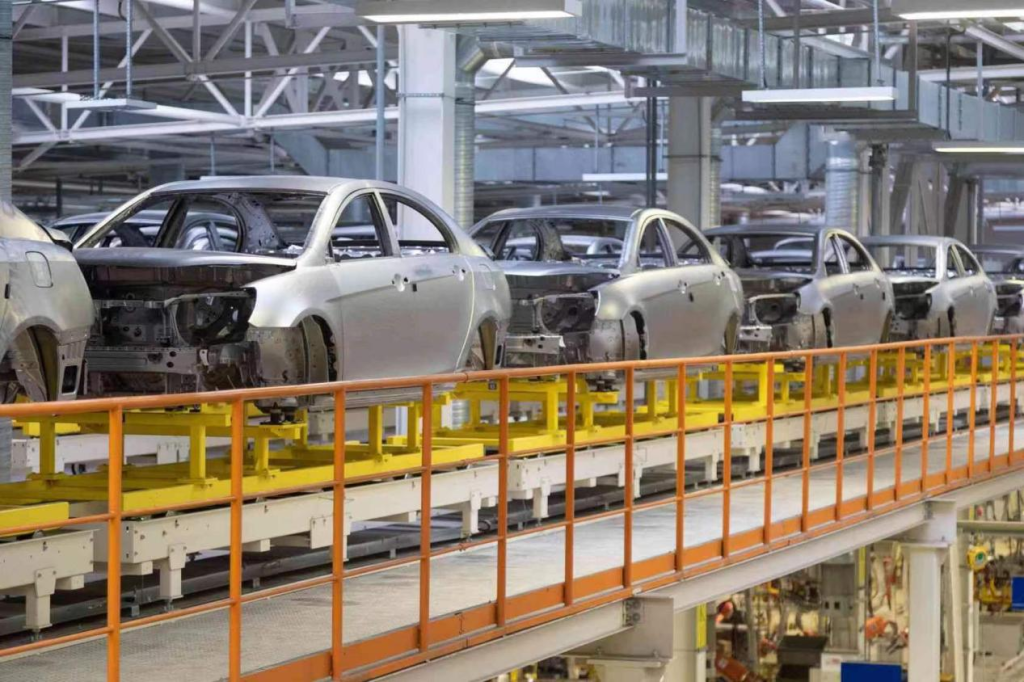
Used for mechanical control systems such as shift, brake, accelerator and clutch mechanisms. Compact cable components can be configured to suit vehicle routing, limited installation space and OEM connection requirements.
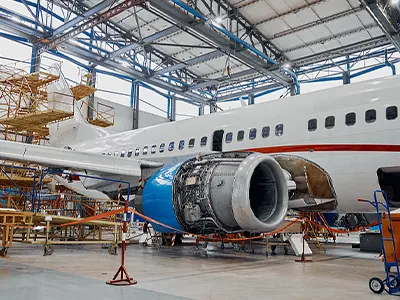
Suitable for aerospace equipment where compact construction, reliable mechanical movement and controlled cable routing are important. Control cable components can be developed according to specific equipment and installation requirements.
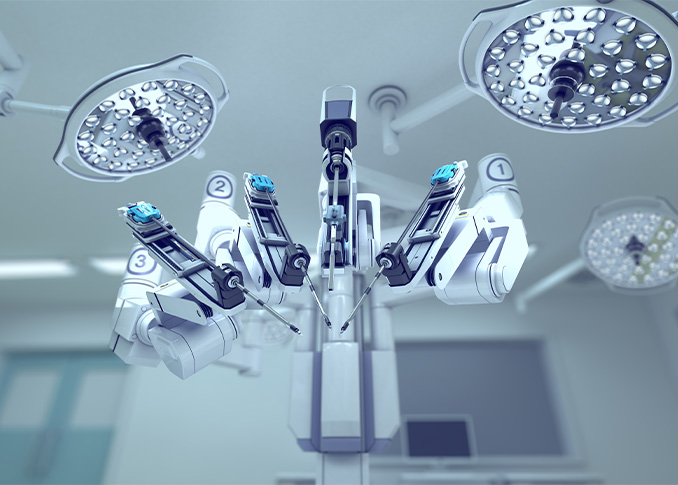
Applied to medical equipment requiring precise mechanical control and compact cable routing. Customized cable configurations can accommodate the space and connection requirements of different devices.
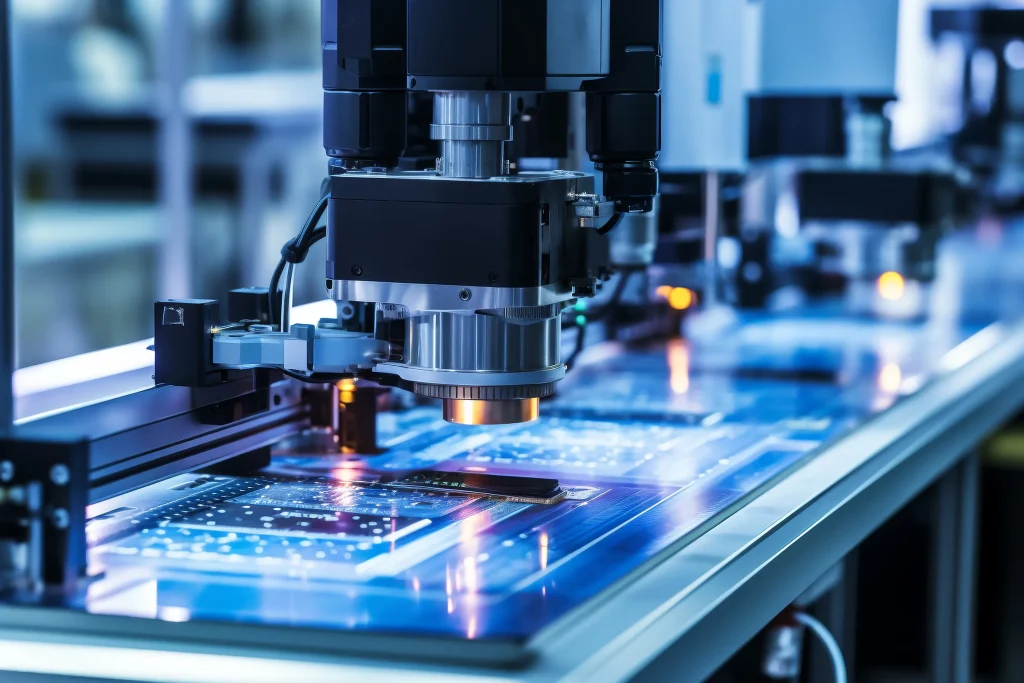
Used in semiconductor manufacturing equipment where stable mechanical movement, controlled routing and application-specific configurations are required. Cable components can be adapted to the equipment’s installation structure and operating conditions.